
green tinted mirror
Understanding the Spirit Level Its Uses and Importance The spirit level, an essential tool in construction and carpentry, plays a pivotal role in ensuring that structures are built accurately and efficiently. This simple yet ingenious device measures the horizontal and vertical alignment of objects, making it indispensable for any building project. Whether you are a professional contractor or a DIY enthusiast, understanding how to use a spirit level effectively can greatly influence the quality of your work. What is a Spirit Level? A spirit level is a tool equipped with one or more vials filled with liquid and a bubble. Each vial is carefully calibrated, usually set within a precision frame. When the tool is placed on a surface, the bubble will move within the vial, indicating whether the surface is level (horizontal) or plumb (vertical). The principle behind this is based on the fact that liquids will always seek to find their own level, making the bubble a reliable indicator of true alignment. Types of Spirit Levels There are various types of spirit levels available, each catering to different applications. The most common type is the traditional carpenter's level, which is typically around 2 to 4 feet in length and contains multiple vials for checking both horizontal and vertical alignments. There are also torpedo levels, smaller and more portable, which are easier to handle in tight spaces. Ultimately, the choice of a spirit level often depends on the specific needs of the job at hand. Applications of Spirit Levels Spirit levels are used across various fields, including construction, carpentry, plumbing, and even photography. In construction, they are vital for ensuring walls are straight and that foundations are laid correctly. A misaligned wall can lead to significant structural issues down the line, making the use of a spirit level imperative. spirit level used for In carpentry, the accuracy provided by spirit levels is crucial when installing cabinets, shelves, and countertops. Homeowners undertaking DIY projects also benefit from using spirit levels to achieve a professional finish, whether it’s hanging art or building furniture. In plumbing, spirit levels are critical for installing pipes and fixtures to prevent leaks and ensure proper drainage. Even in photography, levels are employed to achieve straight horizons in shots, demonstrating the versatility of this simple tool. Tips for Using a Spirit Level To get the most accurate readings when using a spirit level, it's essential to follow a few best practices. First, ensure the surface you are measuring is clean and free from debris. This will allow the spirit level to rest evenly. When placing the level, give it a gentle nudge to settle it in; this will help the bubble reach its true position. After taking a measurement, always check the level in multiple orientations—both horizontally and vertically—to confirm alignment. If using a longer level, check the ends as well as the center, as longer levels can sometimes warp or bend slightly, leading to inaccuracies. Additionally, it can be helpful to periodically check the accuracy of your spirit level against a known level surface. Over time, levels can wear out or be damaged, which may lead to unreliable readings. Conclusion In summary, the spirit level is more than just a tool; it is a symbol of precision and craftsmanship in any construction or DIY project. By ensuring that surfaces are perfectly aligned, the spirit level contributes significantly to the structural integrity and aesthetic appeal of a project. Mastering the use of this tool not only enhances the quality of your work but also fosters a greater appreciation for the details that lead to successful construction and design.
about
green tinted mirror
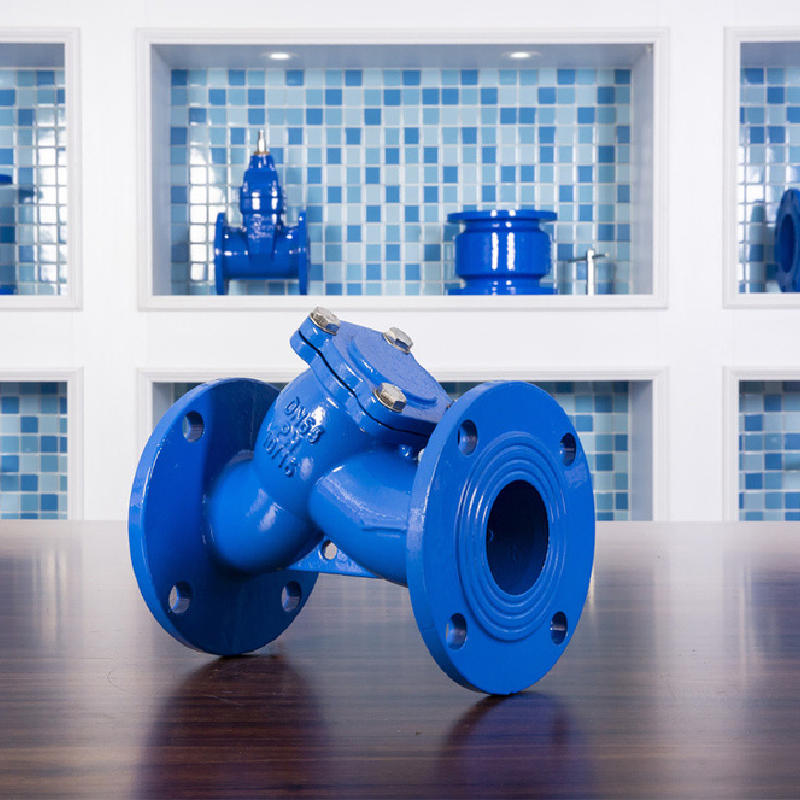
Replacing a Water Valve A Step-by-Step Guide Replacing a water valve can be a straightforward task if approached with the right tools and knowledge. Water valves are essential components of your plumbing system, controlling water flow to various fixtures such as sinks, toilets, and washing machines. Whether you’ve encountered a leak, need to upgrade to a more efficient valve, or are preparing for renovations, knowing how to replace a water valve is an invaluable skill for homeowners. Tools and Materials Required Before you begin, ensure you have the necessary tools and materials 1. Tools - Adjustable wrench - Pipe wrench - Screwdriver - Utility knife - Plumber's tape - Bucket - Towels or rags 2. Materials - New water valve (ensure it's the correct size and type) - Replacement washers (if applicable) - Pipe joint compound (optional) Step 1 Turn Off the Water Supply The first and most crucial step is to turn off the water supply to the valve you are replacing. Locate the main shut-off valve for your home and turn it off. If you’re replacing a specific fixture valve, look for the local shut-off valve beneath the sink or behind the toilet. Open a nearby faucet to allow any remaining water in the pipes to drain, minimizing spills during the replacement. Step 2 Drain and Remove the Old Valve replacing water valve Place a bucket under the valve to catch any residual water. Using the adjustable wrench, loosen the nuts securing the old valve to the pipes. If the valve has been in place for a long time, it may require extra force. Gently twist and pull to remove it once the nuts are loosened. If you encounter stubborn connections, avoid excessive force that could damage the pipes. Step 3 Prepare for Installation Before installing the new valve, inspect the pipe ends for any damage or wear. Use a utility knife to clean any rough edges. If you’re working with threaded pipes, wrap plumber's tape around the threads of the pipe to ensure a tight seal when you install the new valve. Step 4 Install the New Valve Position the new valve in place and hand-tighten the nuts. Use the adjustable wrench for a snug fit, but avoid overtightening, as this can damage the valve or pipes. Ensure it's installed in the correct direction, with the flow arrow on the valve indicating the direction of water flow. Step 5 Restore Water Supply and Check for Leaks After securing the new valve, turn the main water supply back on. Close any faucets you opened earlier and check for leaks around the new installation. If you notice any dripping, tighten the connections slightly until the leaks stop. Conclusion Replacing a water valve can be completed in a few simple steps and can save you from potential plumbing disasters in the future. Regular maintenance and timely replacements are key to a healthy plumbing system. Remember to follow local codes and consult professionals when in doubt. With practice, you can become adept at tackling similar home repair tasks, ensuring the longevity and efficiency of your plumbing system.
-

High quality industrial productsagement

High quality industrial products
View Details -

Meet the diverse needs of customers

Meet the diverse needs of customers
View Details -

Strict quality control

Strict quality control
View Details -

Top raw materials

Top raw materials
View Details -

Trusted supplier

Trusted supplier
View Details
Our application

news and information

Valvola di ritegno della piscina
Valvole di Controllo per Piscine Importanza e Funzioni Le piscine sono una meravigliosa aggiunta a q
Wholesale Solutions for Valves and Related Products in the Industry
Exploring Valve Wholesale An Overview In the world of industrial applications, valves play a crucial
Van nước mở hoặc đóng
Van nước Bật hay Tắt? Trong cuộc sống hàng ngày, van nước đóng vai trò cực kỳ quan trọng. Chúng khôn
 English